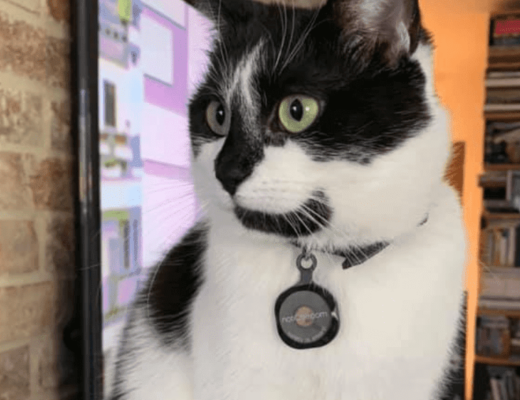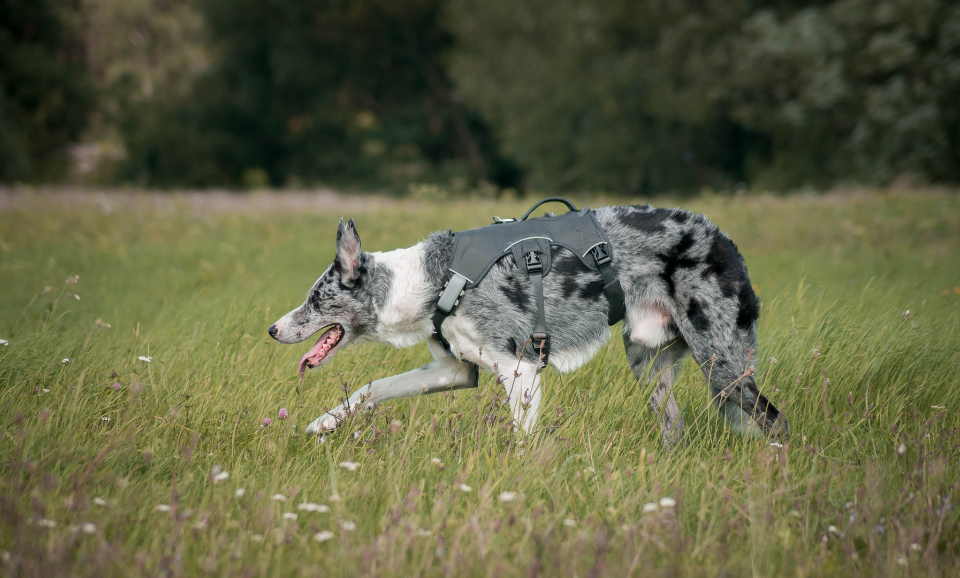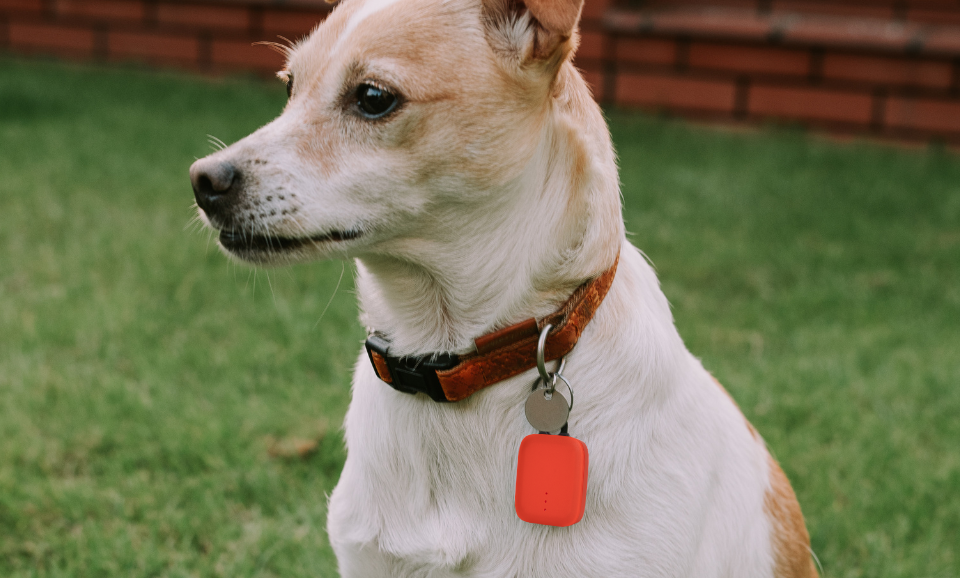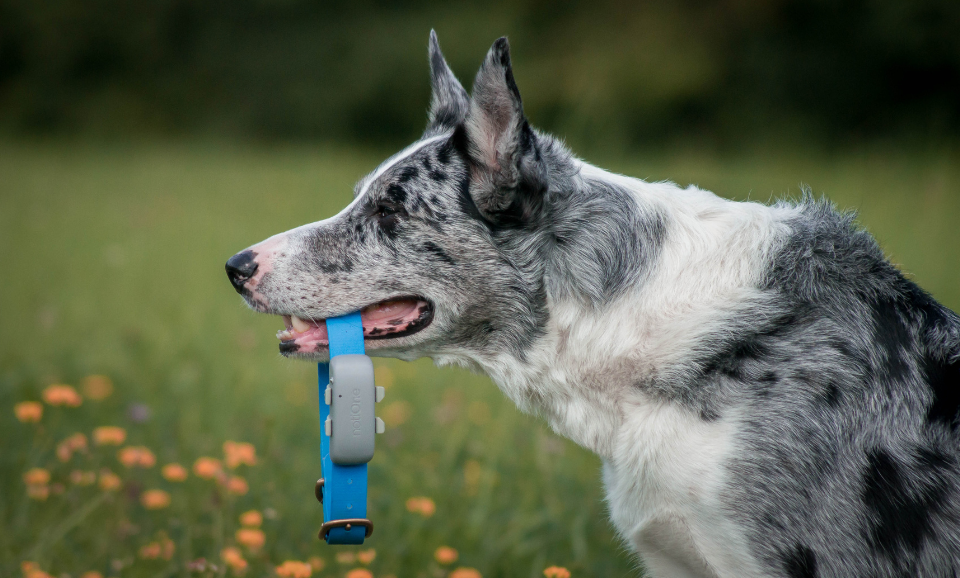
More and more dog and cat owners in Poland are turning to GPS trackers. These devices let you monitor your pet’s location in real time and give owners a greater sense of control. We look at when a pet GPS tracker is genuinely useful and what to consider when choosing one.
Why do owners decide to buy a GPS tracker?
Escapes during walks, chasing wildlife and cats roaming on their own are among the most common reasons owners reach for a GPS tracker. A device like this doesn’t just show the current position. It can also act as a virtual fence, automatically notifying the owner when the pet enters or leaves a chosen zone.
An added bonus is the ability to browse the route history or share it with other carers, which makes organising and planning walks together easier.

How do pet GPS trackers work?
The trackers use GPS technology, and the location data is sent to a mobile app via a built-in SIM card. The owner receives information about the pet’s location in real time. When the GPS signal is weak, the device falls back on an approximate position based on the GSM network.
By default, trackers report their position roughly every 10 seconds, and this can be adjusted freely. Less frequent updates extend battery life, while more frequent ones allow more detailed tracking. In practice, the battery lasts from 3 to 5 days, depending on the settings and how it’s used.
Which tracker should you choose?
Choosing the right device is best started by answering a few questions:
- Is a subscription required?
A subscription means extra costs. If you prefer a one-off investment, look for a subscription-free model such as notiOne GPS PET, which works with no monthly fees. - Does weather resistance matter?
If your pet often runs around in wet areas or loves playing near water, check the waterproof rating, such as IP67 (protection against dust and immersion). - How long should the battery last?
If you have an active dog whose walks last longer than a few hours, look at models that offer 3 days of operation. The ability to adjust the position update frequency also affects energy consumption. - Which feature is the priority?
- Safe zones (a virtual run) — excellent for reacting quickly and keeping an eye on where your pet is.
- Route history — particularly useful for outdoor cats or for those who go on longer walks. Devices typically offer 30 to 90 days of walk history.
- The app should be easy to use and, ideally, available in Polish. This makes it easier to understand how the device works.
On the Polish market, a good example of a well-rounded package is notiOne GPS PET, available in BASIC and PLUS versions. The PLUS version offers, among other things, a waterproof casing (IP67), up to 90 days of location history, no subscription and the option to create multiple safe zones.

Is a GPS tracker for a dog or cat worth buying?
Interest in GPS trackers is growing, especially among owners of hunting dogs and outdoor cats. The device provides real peace of mind and a sense of security, even if your pet unexpectedly wanders out of sight.
While GPS is no substitute for good training and properly secured grounds, it is a valuable aid in everyday care and can make finding your pet much easier in a worrying moment.
Source: own research