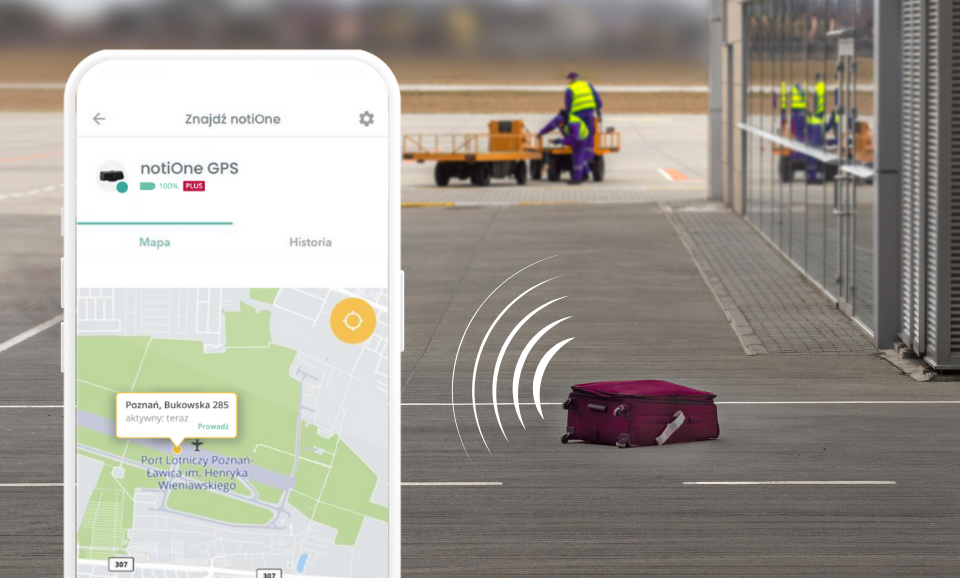
The most effective way to protect a car against theft is a combination of a mechanical lock, an additional immobiliser and a GPS tracker. A steering wheel or gear lever lock alone makes it harder to drive off, but it won’t stop the car being winched onto a tow truck. An alarm alone may act as a deterrent, but passers-by tend to ignore it. A GPS tracker alone won’t stop a theft, but it helps you check where the vehicle is afterwards. It’s worth noting that a tracker itself can send alerts when it detects vibration or a change of location.
So what’s the best choice if your car is usually parked outside a block of flats, next to your house or in an unguarded car park? The basic set-up should be a visible mechanical lock plus a hidden GPS tracker. In cars with a keyless system, it’s worth adding CANLOCK, an additional immobiliser or another form of start-up protection, because theft these days is often no longer a classic break-in but a matter of bypassing the electronics. Bear in mind, too, that cars are frequently watched and thieves know the owner’s habits.
In practice, a good anti-theft lock has one essential job: to make the theft take longer and increase the risk for the thief. The more obstacles there are to overcome, whether mechanical, electronic or location-based, the less worthwhile stealing that particular car becomes.

What types of anti-theft locks are there?
Anti-theft devices can be divided into three groups: mechanical, electronic and location-based. Mechanical devices physically make it harder to drive the car. This group includes steering wheel locks, gear lever locks, pedal locks, wheel clamps and locks permanently fitted to the vehicle. Their advantage is simplicity and visibility. A thief can see straight away that the theft won’t be quick.
Electronic protection works in the background. It can block the ignition, the starter, the gearbox or communication within the car. This group includes additional immobilisers, alarms, anti-hijack systems, the CANLOCK digital lock and devices with a notification function.
The third group is GPS trackers. A tracker alone won’t stop a car from being driven away, but it lets you check the car’s position, its route history and its last known location. That matters when the vehicle has been left in a car park, put in a garage or carried off on a tow truck. Trackers are accurate to within 2.5 metres, so you can follow the car with great precision.
How do steering wheel locks and gear lever locks work?
A steering wheel lock limits how far the wheels can be turned or blocks the steering wheel from moving at all. It’s one of the simplest car security devices, but it still makes sense as a first, visible barrier.
Its strength lies in the deterrent effect. A thief sees the lock through the window and knows that stealing the car will take more time. That doesn’t mean every steering wheel lock is impossible to beat. It means the theft becomes less convenient, riskier and less worthwhile.
A gear lever lock, on the other hand, immobilises the gear-change mechanism. In practice, the thief can’t simply select a gear and drive off. This kind of protection is convenient because it’s fitted permanently, so you don’t have to put a separate lock on every time. It doesn’t cover every scenario, though. If the car is winched onto a tow truck, a gear lever lock alone won’t be enough. That’s why it’s best treated as one layer of protection rather than the only thing securing your car.

What modern electronic security options are there?
Modern electronic security is designed to stop anyone who doesn’t pass an additional authorisation step from starting the car. That could be a PIN code, a sequence of button presses, a card, a key fob, an app or a hidden switch.
Their advantage is that they’re invisible. A thief may open the car and even have a copied key signal, yet still be unable to start the engine. This kind of protection makes particular sense in cars with a keyless system, higher-value cars and models that thieves tend to target. A GPS tracker, by contrast, isn’t a classic anti-theft lock – it lets you check where the car is.
A good GPS tracker for a car should offer the current location, route history, movement notifications, safety zones and access to an app. Hidden installation matters a great deal too. A device placed in the glovebox or in an obvious spot can be found quickly.
Is an alarm, an immobiliser or a Niedźwiedź-Lock worth it?
Yes, because a car alarm is there to scare the thief off with noise and attract the attention of people nearby, while an immobiliser is there to stop the car being started without the right authorisation. The problem with alarms is that many people ignore them. On housing estates and in car parks, a wailing alarm no longer gets much of a reaction. A factory-fitted immobiliser isn’t always enough either. Thieves know the popular solutions used by car manufacturers. An additional immobiliser, independent of the factory system, can genuinely raise the level of protection.
As for Niedźwiedź-Lock, it’s one of the most recognisable brands of mechanical car security in Poland. It’s associated mainly with gear lever locks and solutions fitted permanently in the vehicle. With this kind of protection, it’s not just the lock itself that counts, but also the quality of the steel, the design of the lock mechanism, the fit to the specific car model and professional installation. A cheap, universal device may look solid, but it doesn’t always give the same protection as a lock made for a specific car.
What methods do car thieves use?
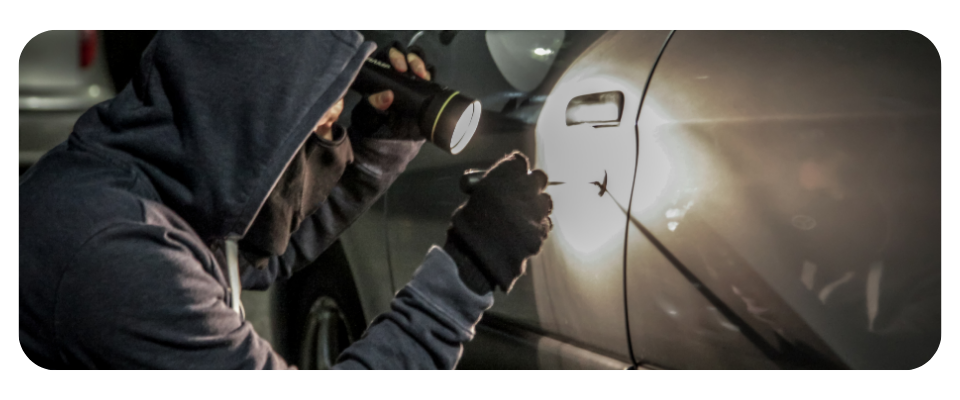
Modern car theft often looks nothing like a classic break-in. Increasingly, thieves rely on electronics, the key signal, the diagnostic port, the CAN bus or a tow truck. Remember what we said above, too – these days cars are chosen. Thieves no longer steal random cars – they pick them carefully, either to order for a “client” or for parts, and most end up sold at car markets.
“Relay theft” targets cars with a keyless system. A relay device amplifies the signal of the key sitting inside the house or flat. The car assumes the key is right next to it, so it lets the thief open the doors and start the engine.
“Game Boy theft” is the informal name for a method in which an electronic device emulates the key or exploits weaknesses in the keyless system. The thief doesn’t need the original key if they can fool the car’s system.
There are also thefts carried out by plugging into the vehicle’s electronics, swapping modules, taking the keys from the house or transporting the car on a tow truck. That’s why a single security measure doesn’t protect against every method.

How do you choose the best car security?
The best car security depends on the car’s value, where it’s parked, how it’s used and how much of a theft risk that model is. An older city car needs a different approach from a new keyless car, and a company van full of tools is different again.
If the car is parked outside a block of flats, a sensible minimum is a mechanical lock and a GPS tracker. If the car has keyless entry, it’s worth adding electronic protection and a signal-blocking pouch for the key. If the car is expensive or popular with thieves, the better choice is a combination of a mechanical lock, CANLOCK or an immobiliser, an alarm with notifications and GPS.
Recommendations for 2026
In 2026, effective car security should combine mechanical, electronic and location-based protection. A steering wheel lock alone isn’t enough. An alarm alone isn’t enough either. A GPS tracker on its own won’t do the job either, because it mainly helps after the theft.
The most sensible set-up for most drivers is:
- a mechanical lock,
- an additional immobiliser or CANLOCK,
- a GPS tracker,
- key protection for keyless systems.
When choosing security, pay attention to effectiveness, the quality of installation, ease of use, resistance to common theft methods and the ability to react after an incident.
The best car protection is the kind that doesn’t get in the driver’s way but effectively gets in the thief’s.
FAQ
The best car security is a combination of a mechanical lock, electronic protection and a GPS tracker. One method alone is usually not enough.
Yes, a steering wheel lock makes sense as a visible obstacle. It doesn’t give full protection, but it makes the theft take longer and can put a thief off.
A GPS tracker doesn’t stop a car from being stolen, but it helps you check its position after the event. It works best together with other security measures.
Keep the key away from doors and windows, use a signal-blocking pouch and fit an additional immobiliser, CANLOCK or another form of start-up protection.
CANLOCK can be effective, because it requires additional authorisation and makes it harder to start the car quickly. Correct installation is key.