1 September is behind us, and schools are full of children again. More and more parents are letting their little ones walk to school on their own. But this raises the question of how to look after a child’s safety and their sense of security at school. The most popular choice is a GPS watch, but using one comes with plenty of pitfalls. That’s why parents are increasingly looking for an alternative: a GPS tracker for a child. A small, discreet GPS for kids that can be tucked into a backpack or jacket.
Keeping children safe at school – it’s not just about technology
At first glance, GPS watches for children seem like a great gadget: they let you monitor your child’s location and give parents peace of mind. In practice, though, they don’t always work out. All the more so at school, where concentration in class matters and unnecessary distractions don’t help. Electronics are only one part of keeping a child safe. Just as important is safety education – calm conversations about how to stay safe at school, how to react when something worries them, and who to turn to for help.
A GPS tracker for a child can support a parent, but it won’t replace talking to your child and building trust. The better a child understands the rules of safety, the easier it is to maintain their sense of security, both on the way to school and in the school corridors.

Short battery life in GPS watches
Most GPS watches have very small batteries. With standard use they last just 2–3 days. With a more active child, the running time shrinks even further. It can happen that the watch goes flat on the way home from school, losing its core function of monitoring the child. By comparison, a GPS tracker for a child can run for several weeks without charging.
Distractions during lessons
Modern watches often come with extra features such as games, chat, a camera and other things a child simply doesn’t need. As a result, the child uses them instead of focusing on lessons. Teachers are increasingly flagging this problem and deciding to ban watches during class. The device then ends up in the backpack, its existence often forgotten, and the parent loses real-time oversight. In situations like these, a child tracker that doesn’t need to be worn on the wrist works much better.

A GPS tracker for a child – a convenient alternative to a watch
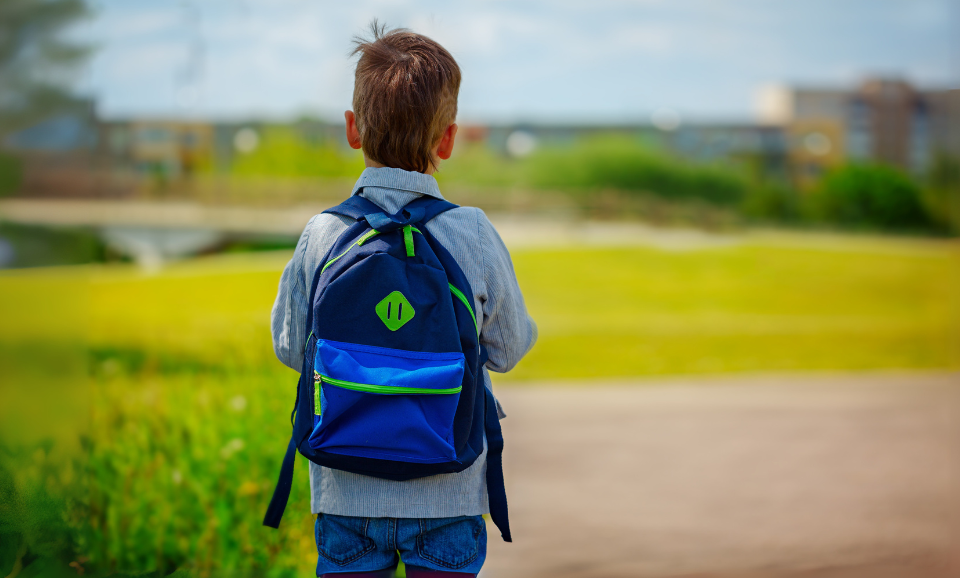
Instead of a watch that can distract and run out of charge, parents are increasingly choosing a GPS tracker for a child’s backpack. This kind of subscription-free GPS for kids lasts longer, is discreet and is harder to lose. For younger pupils, a GPS tracker for a child is a simple solution that requires no handling by the child at all.
What to choose to keep your child safe?
If you’re looking for an effective and practical solution, consider notiOne GPS PLUS. It’s a small tracker you can simply drop into your child’s backpack.
Why does notiOne GPS PLUS work better than a GPS watch?
- Long battery life – runs for up to 2 months without charging.
- No distractions – the device does one thing only: monitors location.
- Safe zones – you can set, for example, school or home as a zone. When your child leaves or arrives at that place, you get a notification on your phone.
- Hassle-free use – parents don’t have to remember to charge it every day or check the app every few minutes.
It’s also the perfect solution as a tracker for a young child who is only just starting to walk to school alone.
Your child’s safety on the way to school
Walking to school independently is an important step in a child’s development. It’s worth making sure that journey is safe, though, and that your child feels secure both on the way and at school itself.. GPS watches often prove inadequate. That’s why more and more parents are choosing GPS for kids in the form of the notiOne GPS PLUS tracker, which gives them peace of mind and the certainty that their child has arrived where they should be.

GPS watch or GPS tracker? A comparison
| Feature | GPS watch for a child | GPS tracker for a child |
|---|---|---|
| Battery life | 2–3 days | up to over 2 months |
| Distractions (games, camera, chat) | Yes | No |
| Convenience for the child | Can be disruptive in class | Discreet in the backpack |
| Safe zones | Rarely available | Yes, in the app |
| Parental oversight | Always, but needs frequent charging | Always – the tracker is in the backpack |
When is it worth buying a GPS tracker for a child?
Parents most often decide on a GPS tracker for a child when their little one starts walking to school, to after-school activities or to friends’ houses on their own. The device also comes in handy on trips, at summer camps and on walks. With it, a parent can always see where their child is – with no need to call or send messages.
FAQ – frequently asked questions about GPS for children
Is a GPS watch for a child a good solution for school?
Not always. Watches have short battery life and lots of distractions that can get in the way of learning.
Which is better: a GPS watch or a GPS tracker for a child?
A tracker is more discreet, lasts longer on a single charge and doesn’t distract the child during lessons.
How long does the battery last in a GPS tracker for children?
In the case of notiOne GPS PLUS, up to 2 months without charging.
Does a GPS tracker require a subscription?
No. The notiOne GPS PLUS tracker works with no additional fees or subscription contracts.
How do you keep a child safe at school – is a tracker alone enough?
A GPS tracker for a child helps parents check where their child is, but it doesn’t replace conversation and safety education. It’s best to combine technology with simple rules on how to stay safe at school: agreeing on the route home, telling adults about worrying situations, and talking about how the child feels.
Source: notiOne